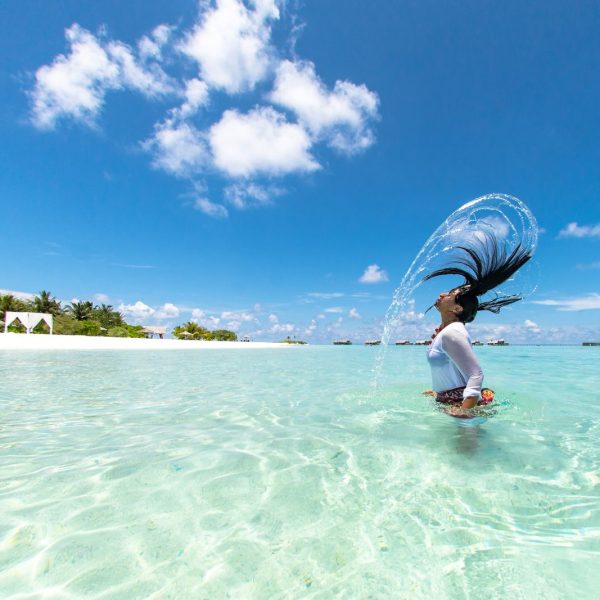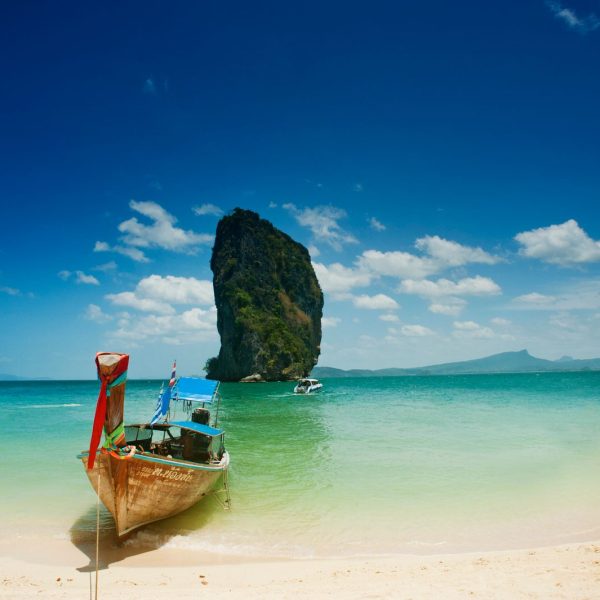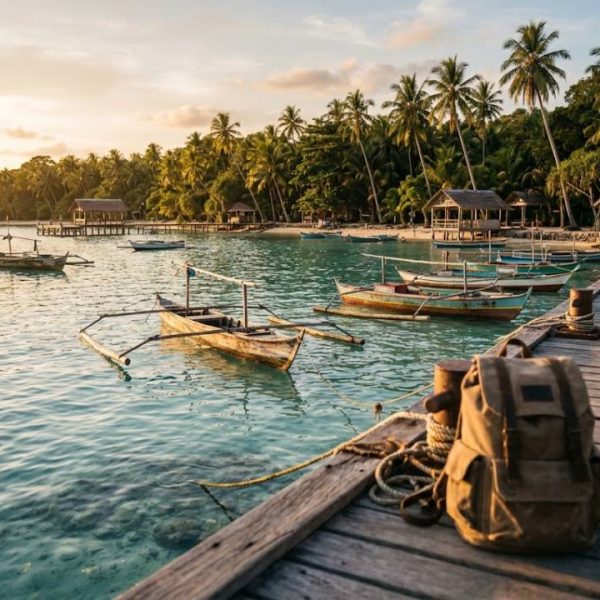
Indonesia stretches across more than seventeen thousand islands, and no two feel quite the same. One day you are watching dragons on a dry hillside, the next you are drifting over a coral garden.
Island hopping here is a joy, but it rewards travellers who prepare. A few details checked in advance make the difference between a smooth journey and a stressful scramble.
Plan the Route Before the Boats
Distances are larger than they look on a map. Ferries, fast boats and short flights all play a part, and schedules change with weather and season.
Sketch a loose route first, then book the key legs. Leave a buffer day before any international flight, because a delayed boat can undo a tight plan.
Check Entry and Permit Rules
Entry rules, visa types and local fees change from time to time. Official tourism pages such as Indonesia Travel are a good place to start, and your embassy can confirm the latest requirements.
Rules written in one language and summarised in another are easy to misread, so check the original wording.
National parks and marine reserves often require separate tickets or permits, bought on site or through a registered guide.
Renting Vehicles on the Islands
Scooters and small cars are popular on the larger islands. Rental shops may ask for a licence, a passport copy and a deposit.
Many visitors find that an official translation of their licence helps at checkpoints and with insurance. Reading about driver license translation explains what officials usually expect and how to avoid delays.
Always wear a helmet, read the rental contract and photograph the vehicle before you ride away.
Learn Words That Open Doors
Bahasa Indonesia is known for its friendly, logical structure, with no verb conjugations and simple pronunciation. A few days of practice goes a long way.
Start with greetings, numbers, thank you and the word for how much. Boat crews, homestay owners and market sellers will light up when you try.
Documents Worth Translating
Longer stays involve more paperwork: rental agreements for a villa, receipts for diving courses, medical forms and insurance letters. Travellers who rely on english to indonesian translation for important papers can sign and submit them with confidence.
Going the other way matters too. A local letter or invoice turned into clear English with an indonesian to english translation helps you claim insurance or settle disputes after you return home.
Pack for Sun, Sea and Surprises
Bring light clothes, reef safe sun cream, a rain jacket and a dry bag. Include a small first aid kit and any prescription medicine in its original packaging.
Carry cash in small notes, as many islands have few cash machines. Keep a card for larger payments in towns.
Respect Local Customs
Dress modestly away from the beach, remove shoes when entering homes and temples, and use your right hand for giving and receiving. Ask before photographing people or ceremonies.
Many islands have their own traditions and religious practices, so a polite question to your host is always welcome.
Protect Reefs and Wildlife
Do not touch coral, feed fish or take shells. Choose operators who limit group sizes and brief guests on how to behave in the water.
Island hopping of the kind described above depends on accommodation that is genuinely distinctive, since the whole point is not to stay in the same room twice. Small properties are exactly what that traveller wants and are also the hardest for them to find. Which is why boutique hotel marketing works differently from the chain playbook: the job is to be discoverable and specific rather than to compete on price in a crowded listing.
Carry your rubbish back to town. Small habits protect the places that make the trip special.
Stay Connected and Safe
Local SIM cards are inexpensive and signal is good in towns, though it fades in remote spots. Download offline maps and keep your accommodation address saved in Indonesian.
Share your plan with someone at home and save the numbers of your embassy and insurance provider.
Budget Realistically
Costs vary widely between popular islands and quiet ones. Homestays and warungs, the small family restaurants, offer excellent value and a close look at daily life.
Ask prices before you board, agree on the fare for boat transfers and keep a small reserve for surprises like an extra night when seas turn rough.
Leave Room for the Unplanned
Some of the best moments happen when plans change: a village festival, an invitation to lunch, a sunset from a boat you did not book. Stay flexible and say yes when it feels safe.
Travellers who leave room for the unplanned on an island route often enjoy the same freedom in a historic city, where a loose plan leaves space for festivals, invitations and unexpected discoveries. A rome itinerary works that way for a first visit to Rome, setting out one main activity a day while keeping afternoons open. It shows how careful preparation and flexibility can fit together, whether the journey involves ferries between islands or walks between ancient neighbourhoods.
Use Local Guides Wisely
Guides know the tides, the safest landing spots and the best hours for wildlife. Book through your accommodation or a registered office, agree on the price and the route in writing, and ask what is included before you leave the shore.
A good guide also explains customs and answers questions, turning a simple boat ride into a lesson about the place.
Health and Insurance
Check that your travel insurance covers boat transfers, diving and scooter use. Carry a copy of the policy, the emergency number and a note of any allergies.
Final Thoughts
Island hopping in Indonesia is at its best when the details are handled and the mind is free to wander. Check the rules, carry the right papers and learn a few words.
The rest takes care of itself, one ferry ride at a time.